Introduction
Advertisement
Wigs have evolved from simple hair coverings into powerful fashion statements, protective styling tools, and confidence-boosting beauty essentials. Today’s wig industry blends artistry, innovation, and technology to offer products that look incredibly natural while serving diverse needs from medical hair loss solutions to trend-driven styling transformations.
Whether you’re new to wigs or looking to upgrade your collection, understanding the differences between lace front wigs, human hair wigs, and synthetic wigs is essential. This in-depth guide explores everything you need to know, including construction, benefits, maintenance, pricing, styling tips, and how to choose the right wig for your lifestyle.
Table of Contents
Advertisement
- What Are Wigs?
- The History and Evolution of Wigs
- Types of Wig Construction
- Lace Front Wigs Explained
- Human Hair Wigs: Benefits and Features
- Synthetic Wigs: Advantages and Limitations
- Human Hair vs Synthetic Wigs: Side-by-Side Comparison
- How to Choose the Right Wig
- Wig Cap Types and Materials
- Density, Texture & Length Guide
- Wig Maintenance & Care Guide
- Styling Tips for Different Wig Types
- Wig Installation Methods
- Common Wig Mistakes to Avoid
- How Long Do Wigs Last?
- Budget Guide: What Should You Expect to Pay?
- Wigs for Medical Hair Loss
- Wig Trends & Modern Styling
- Starting a Wig Business
- Frequently Asked Questions
- Final Thoughts
1. What Are Wigs?
A wig is a head covering made from either human hair, synthetic fibers, or a blend of both. Wigs are designed to replicate natural hair and can vary in length, density, texture, and color.
People wear wigs for many reasons:
- Fashion and style versatility
- Protective styling
- Medical hair loss (alopecia, chemotherapy, thinning hair)
- Religious or cultural practices
- Convenience and time-saving
Modern wigs are constructed to look undetectable, breathable, and comfortable for everyday wear.
2. The History and Evolution of Wigs
Wigs date back thousands of years. Ancient civilizations used wigs for social status, hygiene, and ceremonial purposes. Over time, wigs evolved into symbols of wealth, power, and fashion.
Advertisement
Today, wigs are more accessible than ever, with advancements in:
- Lace technology
- High-definition hairlines
- Heat-resistant synthetic fibers
- 360 lace and full lace construction
- Glueless installation systems
The modern wig industry is now a multi-billion-dollar global market.
3. Types of Wig Construction
Understanding wig construction is key to choosing the right option.
Basic Cap Wigs
- Machine-made
- Affordable
- Durable
- Less natural hairline
Lace Front Wigs
- Lace panel at the front
- Natural-looking hairline
- Allows off-the-face styling
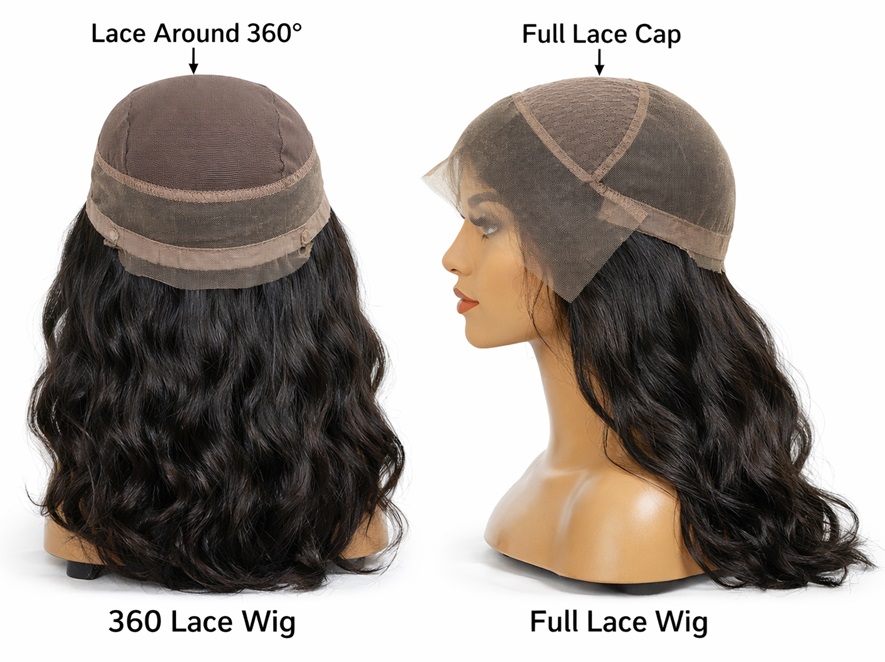
Full Lace Wigs
- Lace throughout entire cap
- Can be parted anywhere
- Highest realism
360 Lace Wigs
- Lace around perimeter
- Ideal for ponytails and updos
4. Lace Front Wigs Explained
Lace front wigs feature a sheer lace panel along the front hairline. Individual hairs are hand-tied into the lace, creating the illusion that hair grows directly from the scalp.
Benefits of Lace Front Wigs
- Natural hairline appearance
- Lightweight and breathable
- Flexible parting near the front
- Ideal for everyday wear
Who Should Choose Lace Front Wigs?
- Beginners wanting realism
- Professionals seeking polished styles
- Individuals with hair loss at the front hairline
When properly installed and blended with makeup or tinting spray, lace front wigs can appear virtually undetectable.
5. Human Hair Wigs: Benefits and Features
Human hair wigs are made from 100% real human hair. They provide the most natural appearance and feel.
Types of Human Hair
- Remy hair (cuticles aligned)
- Virgin hair (untreated)
- Processed hair (colored or textured)
Advantages of Human Hair Wigs
- Natural shine and movement
- Heat styling compatible
- Long lifespan (1–3 years with proper care)
- Can be dyed or bleached
- Less tangling compared to synthetic
Best For:
- Daily wear
- Professional environments
- Long-term investment
Human hair wigs require similar care to natural hair: washing, conditioning, and occasional deep treatment.
6. Synthetic Wigs: Advantages and Limitations
Synthetic wigs are made from high-quality artificial fibers designed to mimic natural hair.
Benefits of Synthetic Wigs
- Affordable
- Pre-styled and low maintenance
- Holds style even after washing
- Lightweight
- Available in bold colors
Heat-Friendly Synthetic Options
Some modern synthetic wigs are heat-resistant up to certain temperatures, allowing limited styling flexibility.
Limitations
- Shorter lifespan 4-6 months with regular wear
- Less natural movement
- Cannot usually be dyed
- May frizz with friction
Synthetic wigs are ideal for beginners or occasional use.
7. Human Hair vs Synthetic Wigs
| Feature | Human Hair | Synthetic |
| Price | Higher | Lower |
| Lifespan | 1–3 years | 4–6 months |
| Styling | Heat & color friendly | Limited |
| Maintenance | High | Low |
| Realism | Most natural | Very realistic (modern fibers) |
| Weather Resistance | Can frizz | Holds shape |
8. How to Choose the Right Wig
Consider these factors:
1. Budget
Human hair investment
Synthetic affordable entry option
2. Lifestyle
Active lifestyle? Synthetic may be easier.
Daily professional use? Human hair is ideal.
3. Maintenance Level
Prefer low maintenance? Choose synthetic.
Enjoy styling? Choose human hair.
4. Cap Size
Measure head circumference carefully to ensure a secure fit.
9. Wig Cap Types and Materials
Common cap materials include:
- Lace
- Monofilament
- Silk base
- Machine wefted
Breathability is essential for comfort, especially for extended wear.
10. Density, Texture & Length Guide
Density Levels
- 130% Natural density
- 150% Full
- 180% Glamorous volume
- 200% MDramatic fullness
Popular Textures
- Straight
- Body wave
- Deep wave
- Curly
- Kinky curly
- Afro textured
Choose texture based on personal style and face shape.
11. Wig Maintenance & Care Guide
Washing Frequency
- Human hair: Every 7-10 wears
- Synthetic: Every 10-15 wears
Washing Steps
- Detangle gently
- Use sulfate-free shampoo
- Condition mid-length to ends
- Air dry on wig stand
Proper storage extends wig lifespan significantly.
12. Styling Tips for Different Wig Types
Human Hair Styling
- Use heat protectant
- Avoid excessive bleaching
- Trim ends regularly
Synthetic Styling
- Avoid high heat
- Use wig-safe products
- Steam gently for frizz control
13. Wig Installation Methods
- Glueless installation
- Wig glue or adhesive
- Wig tape
- Elastic band method
- Sew-in wig install
Beginners often prefer glueless wigs for convenience and safety.
14. Common Wig Mistakes to Avoid
- Skipping proper measurements
- Over-plucking hairline
- Sleeping without protection
- Using harsh products
- Applying too much heat
15. How Long Do Wigs Last?
Human hair wigs can last years with proper care. Synthetic wigs typically last several months with frequent wear.
Factors affecting lifespan:
- Daily friction
- Washing frequency
- Heat styling
- Storage habits
16. Budget Guide
- Synthetic wigs: $50–$300
- Lace front human hair wigs: $150–$800
- Full lace human hair wigs: $300–$1,500+
Higher prices usually reflect better craftsmanship and hair quality.
17. Wigs for Medical Hair Loss
Wigs provide emotional comfort and restored confidence for individuals experiencing:
- Alopecia
- Chemotherapy-related hair loss
- Thinning hair
- Hormonal changes
Soft caps and breathable lace are ideal for sensitive scalps.
18. Wig Trends & Modern Styling
Current wig trends include:
- HD lace wigs
- Pre-plucked hairlines
- Colored wigs (burgundy, blonde, copper)
- Curtain bangs
- Bob cuts
- Glueless beginner-friendly wigs
Social media has significantly increased wig accessibility and styling education.
19. Starting a Wig Business
The wig industry offers strong entrepreneurial opportunities.
Key steps:
- Identify target market
- Source reliable vendors
- Focus on quality control
- Build online presence
- Optimize website for SEO
- Use social media marketing
- Offer clear return policies
Quality and branding determine long-term success.
20. Frequently Asked Questions
Are lace front wigs safe?
Yes, when installed and removed properly.
Can synthetic wigs look natural?
Modern high-quality fibers look very realistic.
Which wig is best for beginners?
Glueless lace front synthetic wigs are beginner-friendly.
How do I make a wig look natural?
Customize the hairline, tint lace, and blend with foundation.
Chapter 21: The Science behind Wig Construction
Modern wigs are no longer simple hairpieces stitched onto fabric caps. They are the result of advanced textile engineering, fiber technology, and hand-crafted artistry.
1. Hair Fiber Structure
Human Hair Fiber Anatomy
Human hair consists of three layers:
- Cuticle – Protective outer layer
- Cortex – Strength and elasticity
- Medulla -Central core (not always present)
The alignment of cuticles determines:
- Shine
- Tangle resistance
- Durability
- Lifespan
This is why Remy human hair wigs are superior the cuticles face the same direction.
Synthetic Fiber Technology
Modern synthetic wigs are made from fibers such as:
- Kanekalon
- Toyokalon
- Heat-resistant polyester blends
These fibers are engineered to:
- Mimic natural shine
- Resist humidity
- Retain style memory
- Reduce static
Heat-friendly synthetic fibers are specially treated to tolerate temperatures typically between 250°F 350°F.
Chapter 22: Lace Technology Explained
Lace is what revolutionized the wig industry.
Types of Lace Used in Lace Front Wigs
1. Swiss Lace
- Thin and soft
- Blends well with skin
- Delicate but realistic
2. French Lace
- Slightly thicker
- More durable
- Beginner-friendly
3. HD Lace (High Definition Lace)
- Ultra-thin
- Nearly invisible
- Melts seamlessly into skin
HD lace is currently one of the most demanded features in premium lace front wigs because of its undetectable appearance.
Lace Color Matching & Customization
For realism, lace should match scalp tone. Options include:
- Transparent lace
- Light brown lace
- Medium brown lace
- Dark brown lace
Many professionals tint lace using foundation or lace tint spray for seamless blending.
Chapter 23: Wig Density – The Mathematics of Volume
Wig density determines fullness.
Density Breakdown
- 110% Light
- 130% Natural
- 150% Full
- 180% Heavy glam
- 200–250% Ultra dramatic
Higher density means:
- More hair strands per square inch
- Increased weight
- Fuller appearance
For daily wear, 130-150% density is typically ideal.
Chapter 24: Ventilation Techniques
Ventilation refers to how hair is tied to the lace.
Single Knot Ventilation
- Flat appearance
- Natural look
- Common at hairline
Double Knot Ventilation
- More secure
- Thicker appearance
- Common at crown
Hand-tied wigs require significant craftsmanship, which explains higher pricing.
Chapter 25: Human Hair Wig Grades Explained
Not all human hair wigs are equal.
Virgin Hair
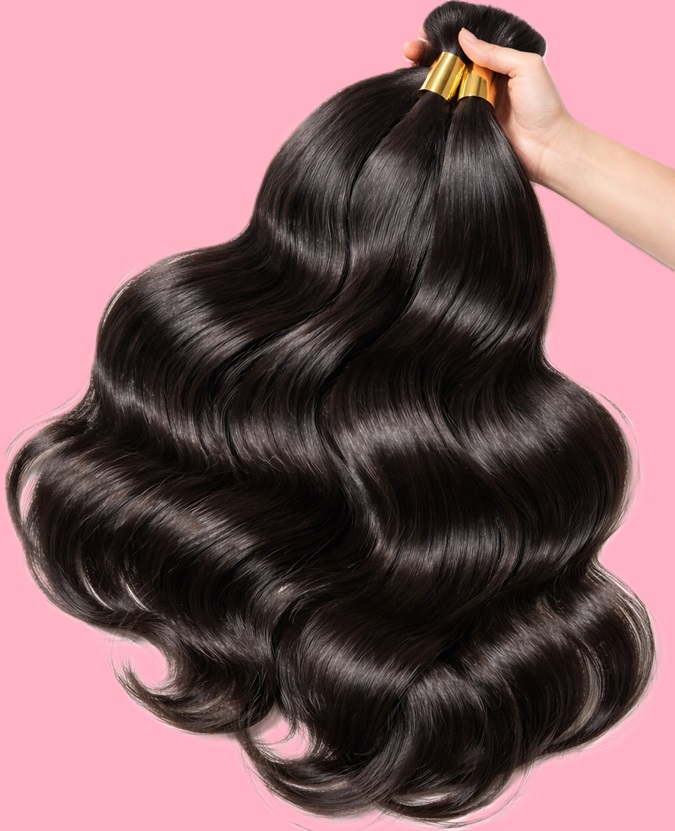
- Never chemically processed
- Highest quality
- Longest lifespan
Remy Hair
- Cuticles aligned
- Minimal tangling
- Strong durability
Non-Remy Hair
- Cuticles misaligned
- Tangles easily
- Lower cost
Virgin Remy hair wigs are considered premium products in the wig industry.
Chapter 26: Ethical Sourcing & Global Supply Chains
Human hair wigs are typically sourced from:
- India
- Vietnam
- Brazil
- Cambodia
- China
Hair collection methods include:
- Temple donations
- Salon collection
- Individual sellers
Ethical sourcing practices ensure:
- Fair compensation
- Clean processing environments
- Quality control
Consumers increasingly value transparency in sourcing.
Chapter 27: The Manufacturing Process of Wigs
Understanding how wigs are made builds consumer trust.
Step 1: Hair Collection
Hair is sorted by length and texture.
Step 2: Cleaning & Disinfection
Hair is washed and sanitized.
Step 3: Sorting & Aligning
Cuticles are aligned Remy processing.
Step 4: Coloring or Processing
Optional bleaching or dyeing.
Step 5: Ventilation
Hair is hand-tied into lace.
Step 6: Styling & Quality Check
Final shape and trimming.
Hand-tied wigs can take 40-60 hours to complete.
Chapter 28: Scalp Health & Protective Styling
Wigs can promote healthy hair growth when worn properly.
Benefits of Wearing Wigs as Protective Style
- Reduces daily heat styling
- Protects from environmental damage
- Prevents over-manipulation
How to Protect Your Scalp
- Clean scalp regularly
- Avoid tight installation
- Moisturize underneath
- Remove glue carefully
Improper wig use can cause traction alopecia, so balance is key.
Chapter 29: Psychological Impact of Wearing Wigs
Wigs are more than fashion.
For individuals experiencing:
- Hair thinning
- Alopecia
- Chemotherapy-related hair loss
Wigs restore confidence, identity, and emotional well-being.
Many studies suggest appearance significantly impacts self-esteem. A natural-looking wig can dramatically improve mental health during difficult transitions.
Chapter 30: Weather & Environmental Effects
Humidity
- Human hair may frizz
- Synthetic holds style
Rain
- Human hair needs restyling
- Synthetic dries quickly
Heat & Sun
- UV exposure can fade color
- Use UV protectant sprays
Choosing the right wig type depends partly on climate.
Chapter 31: Wig Customization Techniques
Professionals enhance realism through:
- Plucking hairline
- Bleaching knots
- Tinting lace
- Adding baby hairs
- Root shading
Customization dramatically improves the natural look of lace front wigs.
Chapter 32: Beginner Wig Buying Checklist
Before purchasing, consider:
- Cap size measurement
- Lace type
- Density preference
- Texture choice
- Lifestyle needs
- Budget range
- Maintenance commitment
Making informed decisions prevents costly mistakes.
Chapter 33: Cost Breakdown & Value Analysis
Why Human Hair Wigs Cost More
- Real hair sourcing
- Hand ventilation labor
- Long lifespan
- Styling flexibility
Why Synthetic Wigs Cost Less
- Factory fiber production
- Machine construction
- Shorter lifespan
Cost should be evaluated per year of use, not initial purchase price alone.
Chapter 34: Wig Storage & Longevity Strategies
Proper storage extends lifespan.
Best Practices
- Use wig stand
- Keep away from sunlight
- Store in silk bag
- Avoid dust exposure
Never store damp wigs.
Chapter 35: Trending Wig Styles in 2026
Modern wig trends include:
- Natural scalp illusion wigs
- HD lace with invisible hairline
- Textured afro lace wigs
- Layered long waves
- Soft glam body waves
- Blunt cut bobs
- Highlighted balayage wigs
Consumers now prioritize realism over extreme volume.
Chapter 36: Wig Maintenance Routine (Detailed Guide)
Weekly Routine (Human Hair)
- Detangle gently
- Wash with sulfate-free shampoo
- Deep condition
- Air dry
- Style minimally
Monthly Routine
- Protein treatment
- Trim split ends
- Inspect lace integrity
Chapter 37: Lace Front Wig Installation – Professional Breakdown
Step-by-Step
- Braid natural hair flat
- Wear wig cap
- Position wig
- Trim lace
- Apply adhesive (if desired)
- Melt lace
- Style edges
Glueless installation is recommended for beginners.
Chapter 38: Common Myths About Wigs
Myth 1: Wigs Look Fake
Modern HD lace wigs are extremely realistic.
Myth 2: Wigs Stop Hair Growth
Improper use causes damage not wigs themselves.
Myth 3: Synthetic Wigs Are Cheap-Looking
High-quality synthetic fibers look very natural.
Chapter 39: Wig Business & SEO Marketing Guide
If you’re building a wig brand:
SEO Strategy
- Target keywords:
- lace front wigs
- human hair wigs
- beginner wigs
- glueless wigs
- HD lace wigs
Content Marketing Ideas
- Wig care blogs
- Installation tutorials
- Comparison guides
- BeforeAfter photos
Conversion Optimization
- Offer size guides
- Provide detailed descriptions
- Include customer reviews
- Display high-resolution images
Trust builds conversions.
Chapter 40: Future of the Wig Industry
Innovations include:
- 3D scalp printing
- AI color matching
- Custom-fit scanning
- Sustainable hair sourcing
- Vegan synthetic fiber advancements
The wig market continues to grow globally due to fashion trends and increased awareness of hair protection.
Final Thoughts
Wigs have transformed into essential beauty and lifestyle tools. Whether you prefer lace front wigs for realism, human hair wigs for versatility, or synthetic wigs for convenience, understanding their differences empowers you to make informed decisions.
The right wig enhances confidence, protects natural hair, and allows limitless styling possibilities. Investing in quality and proper care ensures long-lasting beauty and value.