


Advertisement
Natural African American human hair wigs have transformed the beauty industry, offering unmatched versatility, protection, and authenticity. For women who want to embrace natural textures while enjoying styling freedom, these wigs provide the perfect balance between realism and convenience. Whether you’re looking to protect your natural hair, experiment with new styles, or enhance your everyday look, understanding the world of natural African American human hair wigs will help you make the best choice.
In this comprehensive guide, you’ll learn everything about natural African American human hair wigs from hair types and construction methods to maintenance, styling, benefits, and buying tips. This article is fully SEO-optimized and designed to provide in-depth, valuable information for readers seeking high-quality solutions.
What Are Natural African American Human Hair Wigs?
Natural African American human hair wigs are wigs made from real human hair that closely match the natural textures commonly found in African American hair patterns. These textures typically range from curly and coily to kinky and afro-textured styles.
Advertisement
Unlike synthetic wigs, human hair wigs offer:
- A realistic appearance
- Natural movement
- Long-term durability
- Heat styling versatility
- Enhanced comfort
Because they mimic natural hair patterns, these wigs blend seamlessly with edges and natural hairlines, creating a flawless, undetectable finish.
Why Choose Human Hair Over Synthetic Wigs?

Before diving deeper, it’s important to understand why human hair wigs are often preferred.
1. Realistic Appearance
Human hair reflects light naturally, giving it a healthy shine without looking artificial. Synthetic wigs often have an unnatural gloss that can be noticeable under certain lighting.
Advertisement
2. Styling Flexibility
With human hair wigs, you can:
- Curl
- Straighten
- Blow-dry
- Dye (with professional care)
- Deep condition
- Use heat tools
Synthetic wigs generally cannot withstand high temperatures unless labeled heat-resistant.
3. Longevity
High-quality human hair wigs can last 1-3 years or more with proper care. Synthetic wigs typically last a few months with regular wear.
4. Comfort and Breathability
Human hair wigs often come with lace fronts, full lace caps, or breathable constructions that reduce scalp irritation.
Popular Natural Textures for African American Women
Natural African American human hair wigs are available in textures that closely match natural hair patterns.
Kinky Straight
This texture mimics blown-out natural hair. It has volume and slight coarseness but can be straightened for a sleek look.
Best for:
- Everyday professional styles
- Natural-looking silk press appearance
Kinky Curly
Kinky curly wigs replicate tight curls and coils similar to 4A–4C hair textures.
Best for:
- Bold natural looks
- Afro-inspired styles
- Wash-and-go effects
Afro Kinky
This texture mimics tightly coiled natural hair with maximum volume.
Best for:
- Full afro styles
- Natural protective looks
Deep Curly
Deep curly wigs offer defined curls with more looseness compared to kinky curly textures.
Best for:
- Glamorous curls
- Special occasions
- Vacation hairstyles
Types of Natural African American Human Hair Wigs
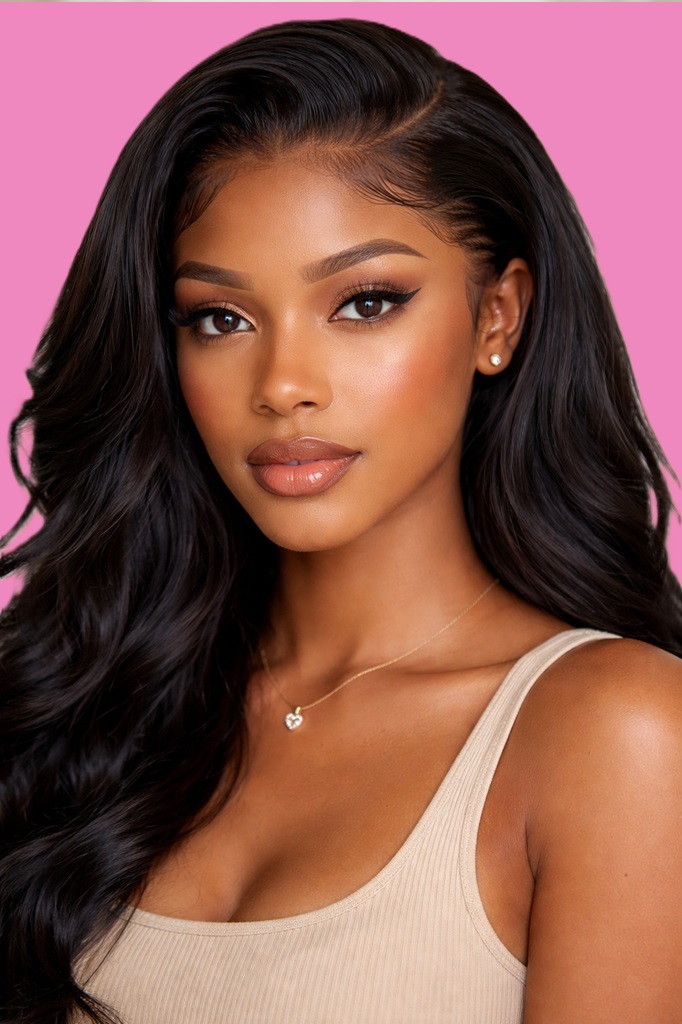
Understanding wig construction helps you choose the best option for your lifestyle and budget.
1. Lace Front Wigs
Lace front wigs feature lace along the hairline, creating a realistic front appearance while the back is made from a more durable material.
Pros:
- Natural hairline
- Beginner-friendly
- More affordable than full lace
2. Full Lace Wigs
Full lace wigs are constructed entirely from lace, allowing parting anywhere.
Pros:
- Maximum styling flexibility
- High realism
- Can be worn in ponytails and updos
3. 360 Lace Wigs
These wigs have lace around the entire perimeter with a more durable cap in the center.
Pros:
- High ponytail capability
- Balanced affordability and realism
4. U-Part and V-Part Wigs
These wigs allow a portion of your natural hair to remain out for blending.
Pros:
- Extremely natural look
- No glue required
- Quick installation
Benefits of Natural African American Human Hair Wigs
Protective Styling
One of the biggest advantages is protection. Wearing wigs reduces:
- Heat damage
- Over-manipulation
- Breakage
- Environmental stress
Your natural hair can grow underneath while staying shielded.
Confidence Boost

Hair is deeply tied to identity and self-expression. A high-quality natural wig can restore confidence for women experiencing:
- Hair thinning
- Alopecia
- Postpartum shedding
- Medical hair loss
Versatility without Commitment
Want a short bob today and waist-length curls tomorrow? Human hair wigs make it possible without cutting or chemically altering your natural hair.
How to Choose the Best Natural African American Human Hair Wig
Selecting the right wig involves several factors.
1. Hair Origin
Look for ethically sourced human hair such as:
- Brazilian
- Peruvian
- Malaysian
- Indian
Each origin offers different density and texture compatibility.
2. Density
Density determines fullness:
- 130% Natural everyday look
- 150% Medium fullness
- 180% Glamorous volume
- 200% Dramatic fullness
3. Cap Size
Measure your head circumference to ensure a secure fit. Most wigs come in:
- Small
- Medium (average)
- Large
Adjustable straps add flexibility.
4. Lace Type
HD lace and transparent lace blend well with various skin tones. Choose lace that closely matches your complexion.
How to Maintain Natural African American Human Hair Wigs
Proper maintenance extends the lifespan of your wig.
Washing Routine
- Wash every 10-15 wears
- Use sulfate-free shampoo
- Apply moisturizing conditioner
- Detangle gently with a wide-tooth comb
Deep Conditioning
Deep condition monthly to maintain softness and elasticity.
Drying
Air-drying is preferred. If blow-drying, use a heat protectant.
Storage
Store on a mannequin head or satin bag to maintain shape and reduce tangling.
Styling Tips for a Natural Look
Customize the Hairline

Plucking the hairline slightly creates a more natural density transition.
Use Baby Hairs Sparingly
Lightly styled edges enhance realism without overdoing it.
Tint the Lace
Use lace tint spray or foundation to match your scalp tone.
Secure Properly
Choose between glue, gel, adhesive spray, or glueless methods depending on your comfort level.
Common Mistakes to Avoid
- Overusing heat tools
- Skipping regular conditioning
- Sleeping without protection
- Using heavy oils that cause buildup
- Purchasing from unverified vendors
Always research reviews and confirm authenticity before purchasing.
Are Natural African American Human Hair Wigs Worth the Investment?
While they may cost more upfront, their durability and realistic appearance make them cost-effective long term. Instead of replacing synthetic wigs multiple times a year, one high-quality human hair wig can last significantly longer.
Additionally, the styling flexibility and natural blend justify the price for many buyers.
Who Should Wear Natural African American Human Hair Wigs?
These wigs are ideal for:
- Women transitioning from relaxed to natural hair
- Professionals seeking versatile styles
- Individuals experiencing hair loss
- Fashion enthusiasts
- Brides and event attendees
- Anyone wanting protective styling
There are no age restrictions these wigs serve teenagers, working professionals, and mature women alike.
Ethical Considerations and Quality Standards
When buying natural African American human hair wigs, prioritize:
- Ethically sourced hair
- Transparent supply chains
- Reputable vendors
- Fair labor practices
High-quality wigs should have minimal shedding, strong wefts, and intact cuticles aligned in one direction.
Cost Breakdown
Prices vary depending on:
- Hair length
- Density
- Lace type
- Construction method
- Hair origin
Average price range:
- $150-$300 (entry-level)
- $300-$700 (premium quality)
- $700+ (luxury custom units)
Custom-made wigs often cost more but offer tailored precision.
How to Make Your Wig Last Longer
- Avoid daily heat styling
- Use silk or satin scarves at night
- Rotate between multiple wigs
- Avoid chlorine and saltwater exposure
- Schedule professional maintenance when needed
Proper care can double the lifespan of your investment.
Trends in Natural African American Human Hair Wigs
The wig industry continues evolving with innovations such as:
- Glueless lace systems
- HD ultra-thin lace
- Pre-plucked hairlines
- Pre-bleached knots
- Custom hairlines
- Natural scalp illusion caps
These advancements make wigs more beginner-friendly and realistic than ever before. What Are Natural African American Human Hair Wigs?

Natural African American human hair wigs are wigs made from 100% real human hair that replicate natural Black hair textures ranging from soft kinky straight to tight 4C coils. Unlike synthetic wigs, these units behave like real hair because they are real hair.
They are designed to:
- Mimic natural density and texture
- Blend seamlessly with natural hairlines
- Allow heat styling and customization
- Offer durability for long-term wear
- Provide protective styling benefits
These wigs are particularly valued for their realistic movement, softness, and ability to be styled just like your own hair.
Why Human Hair Wigs Outperform Synthetic Options
While synthetic wigs can be budget-friendly, human hair wigs offer superior performance in several important areas.
1. Authentic Texture and Shine
Human hair reflects light naturally. It doesn’t have the artificial gloss that many synthetic fibers display under sunlight or flash photography.
2. Heat Styling Freedom
With proper heat protectant, you can:
- Flat iron
- Curl
- Wand style
- Blow-dry
- Crimp
- Silk press
Synthetic wigs often melt under high temperatures unless specifically labeled heat-resistant.
3. Longevity
High-quality human hair wigs can last 12 to 36 months or more with proper care. Synthetic wigs typically last 2 6 months depending on frequency of wear.
4. Natural Movement
Human hair flows, swings, and parts naturally, enhancing realism.
5. Customization Potential
You can:
- Dye darker shades
- Tone the hair
- Add layers
- Cut bangs
- Create face-framing shapes
This flexibility makes human hair wigs a long-term investment rather than a temporary accessory.
Understanding Natural African American Hair Textures in Wigs
Choosing the right texture ensures your wig looks natural and complements your personal style.
Kinky Straight
This texture resembles blown-out natural hair. It has body and thickness without being silky straight.
Best for:
- Professional environments
- Every day wear
- Silk press appearance
Yaki Straight
Yaki straight mimics relaxed African American hair with a slightly coarse texture.
Best for:
- Sleek styles
- Low-maintenance straight looks
Kinky Curly (3C-4A)
Defined, tight curls that offer bounce and shape.
Best for:
- Wash-and-go styles
- Natural curly looks
- Defined coil lovers
Afro Kinky (4B-4C)
Dense, tightly coiled texture that replicates natural afro hair.
Best for:
- Full afro styles
- Maximum volume
- Bold natural expression
Deep Curly
Looser than kinky curly but still defined.
Best for:
- Glam events
- Romantic styling
- Vacation hairstyles
Matching texture to your natural hair allows seamless blending, especially if you leave edges or a small portion out.
Wig Construction Types Explained
Understanding construction helps you select the right unit for your lifestyle.
Lace Front Wigs
Lace is placed only at the front hairline.
Advantages:
- Realistic hairline
- Beginner-friendly
- Affordable compared to full lace
Full Lace Wigs
Entire cap is made from lace.
Advantages:
- Part anywhere
- High ponytails possible
- Most natural appearance
360 Lace Wigs
Lace around the perimeter with a durable center.
Advantages:
- High ponytails
- Balanced price and flexibility
Glueless Wigs
Designed with combs, straps, and elastic bands.
Advantages:
- No adhesive required
- Scalp-friendly
- Easy daily removal
U-Part & V-Part Wigs
Leave a small portion of natural hair out.
Advantages:
- Ultra-realistic blending
- No glue
- Quick installation
Lace Types and Why They Matter
The lace determines how natural your wig looks at the scalp.
Transparent Lace
Works well for lighter to medium skin tones.
HD Lace
Ultra-thin lace that melts seamlessly into most skin tones.
Swiss Lace
Durable and breathable.
Pre-Bleached Knots
Knots at the base of the hair are lightened for scalp realism.
Choosing the right lace improves invisibility and overall appearance.
Density Guide: How Full Should Your Wig Be?
Density determines volume.
- 130% Density Natural, everyday look
- 150% Density Medium fullness
- 180% Density Noticeably voluminous
- 200-250% Density Dramatic glam
For natural every day wear, 150% is often ideal. For bold styles or photography, higher density works well.
Hair Origin: What Does It Mean?
Hair origin refers to the geographic source of the hair.
Common types include:
- Brazilian
- Peruvian
- Malaysian
- Indian
While texture labeling varies by brand, quality depends more on processing and cuticle alignment than the name alone.
Look for:
- Cuticle-aligned hair
- Minimal chemical processing
- Double-drawn bundles for fullness
Protective Styling Benefits
Natural African American human hair wigs are powerful protective tools.
They help reduce:
- Heat damage
- Over-manipulation
- Split ends
- Breakage
- Environmental exposure
When installed properly, your natural hair can grow underneath while remaining moisturized and protected.
How to Properly Care for Your Human Hair Wig
Maintenance determines longevity.
Washing Routine
Wash every 10-15 wears or when buildup occurs.
Steps:
- Detangle gently
- Rinse with lukewarm water
- Apply sulfate-free shampoo
- Condition generously
- Rinse thoroughly
- Air dry on mannequin head
Avoid rough scrubbing.
Deep Conditioning
Deep condition monthly to maintain elasticity and softness.
Focus on mid-length to ends.
Detangling
Use:
- Wide-tooth comb
- Paddle brush (for straight textures)
- Fingers for curly textures
Always detangle from ends upward.
Night Care
If sleeping in your wig:
- Wrap with satin scarf
- Use satin pillowcase
- Tie curls into loose pineapple
If removing nightly:
- Store on wig stand
- Keep away from dust and heat
Scalp Care Under Your Wig
Healthy scalp equals healthy growth.
Before installing:
- Wash and deep condition natural hair
- Moisturize and seal
- Braid or twist gently
During wear:
- Apply lightweight oil to scalp
- Avoid heavy buildup
- Let scalp breathe periodically
Remove wig weekly if possible to cleanse scalp.
Installation Methods: Pros and Cons
Glue Installation
Pros:
- Long-lasting hold
- Secure for events
Cons:
- Risk of edge damage
- Requires careful removal
Adhesive Spray
Pros:
- Lighter hold
- Easier removal
Cons:
- Shorter wear time
Glueless
Pros:
- No damage
- Daily removal
- Beginner-friendly
Cons:
- May shift if not fitted properly
Choose based on lifestyle and comfort.
Customization Tips for a Flawless Finish
To elevate realism:
- Pluck hairline slightly
- Add light baby hairs
- Tint lace to match scalp
- Trim lace carefully
- Use edge control sparingly
Less is often more when aiming for natural appearance.
Coloring Human Hair Wigs Safely
Human hair wigs can be dyed darker shades.
Best practices:
- Avoid frequent bleaching
- Use professional stylist
- Deep condition after coloring
- Perform strand test
Excessive chemical processing shortens lifespan.
How Long Do Natural Human Hair Wigs Last?
With proper care:
- Daily wear: 12-18 months
- Occasional wear: 2-3 years
Factors affecting longevity:
- Heat frequency
- Washing routine
- Storage method
- Product buildup
Investing in proper care significantly extends lifespan.
Price Breakdown and Budget Expectations
Entry-Level ($150-$300)
- Basic lace
- Standard density
Mid-Range ($300–$700)
- HD lace
- Pre-plucked hairlines
- Better hair quality
Luxury Custom Units ($700+)
- Handcrafted
- Premium hair
- Tailored cap sizing
Remember: Quality wigs reduce replacement costs over time.
Who Benefits Most From These Wigs?
- Women transitioning to natural hair
- Individuals with alopecia
- Professionals wanting versatility
- Brides and event attendees
- Fashion enthusiasts
- Women seeking protective styles
These wigs are inclusive and suitable for all age groups.
Current Trends in Natural Human Hair Wigs (2026)
The industry continues evolving with:
- Melted HD lace systems
- Scalp illusion caps
- Pre-cut lace
- Pre-styled textured units
- Beginner-friendly glueless designs
- Minimalist natural hairlines
Consumers now prioritize realism and scalp health over extreme styling.
Common Mistakes to Avoid
- Overheating with flat irons
- Using heavy grease products
- Skipping deep conditioning
- Pulling lace aggressively
- Buying from unverified sellers
Always review return policies and customer reviews.
Building a Wig Wardrobe
Many women rotate between:
- Everyday straight unit
- Curly weekend unit
- Protective afro-textured unit
- Special occasion glam wig
Rotating reduces wear and extends lifespan.
Emotional and Cultural Impact
For many African American women, hair is deeply tied to identity and culture. Natural-textured human hair wigs allow women to celebrate their roots while enjoying flexibility.
They empower:
- Self-expression
- Confidence restoration
- Style experimentation
- Professional adaptability
Wigs are no longer hidden tools they are celebrated beauty assets.
Final Thoughts
Natural African American human hair wigs are more than a beauty accessory they are tools for empowerment, protection, and self-expression. They offer unmatched realism, styling versatility, and durability compared to synthetic alternatives. Whether you’re seeking a protective style, experimenting with new looks, or enhancing your everyday appearance, investing in a high-quality natural human hair wig is a smart decision.
By understanding textures, construction types, maintenance routines, and buying considerations, you can confidently select the perfect wig that matches your lifestyle and beauty goals.
With proper care, a premium natural African American human hair wig can become a long-term staple in your beauty routine helping you look and feel your best every day.


