
Advertisement
If you’re new to wigs, choosing your first synthetic wig can feel overwhelming. With hundreds of styles, cap constructions, fibers, densities, lengths, and brands available in 2026, beginners often struggle to know where to start.
The good news? Synthetic wigs have never been better than they are today. Modern fibers look more realistic, last longer, and require far less maintenance than ever before. For beginners especially, synthetic wigs offer an affordable, low-commitment way to experiment with new hairstyles, boost confidence, and protect natural hair.
This complete 2026 guide will walk you step-by-step through everything you need to know to choose the best synthetic wig as a beginner from understanding wig types to selecting the right cap size, density, color, and budget.
Advertisement
By the end of this guide, you’ll feel confident buying your first synthetic wig without confusion or regret.
Why Synthetic Wigs Are Perfect for Beginners in 2026
Before we dive into how to choose one, let’s talk about why synthetic wigs are often the best choice for first-time buyers.
1. Affordable Compared to Human Hair
Synthetic wigs cost significantly less than human hair wigs. While premium human hair wigs can cost hundreds or even thousands of dollars, quality synthetic wigs are available at beginner-friendly prices.
For someone testing wigs for the first time, this lower price reduces risk and financial pressure.
Advertisement
2. Pre-Styled and Ready to Wear
Most synthetic wigs come pre-styled. That means:
- No daily heat styling
- No curling or straightening required
- Minimal effort to maintain shape
This is ideal for beginners who don’t yet know how to style wigs.
3. Low Maintenance
Unlike human hair wigs, synthetic fibers hold their shape even after washing. The style memory built into modern 2026 synthetic fibers means your wig returns to its original look with minimal effort.
4. Huge Variety of Styles
Synthetic wigs offer:
- Trend colors (platinum, ginger, burgundy, ash blonde)
- Bold fashion shades
- Natural everyday looks
- Curly, straight, wavy, layered, and bob cuts
Beginners can experiment freely without damaging their natural hair.
Step 1: Understand the Types of Synthetic Wigs
Not all synthetic wigs are created equal. As a beginner, knowing the main types will help you choose wisely.
1. Standard Synthetic Wigs
These are the most affordable and beginner-friendly options.
Pros:
- Budget-friendly
- Pre-styled
- Easy to wear
- Great for occasional use
Cons:
- Not heat resistant
- Less versatile for styling changes
These are excellent for first-time wig wearers who want something simple.
2. Heat-Resistant Synthetic Wigs (2026 Upgrade)
Modern heat-friendly synthetic wigs can tolerate low heat (usually 250-350°F depending on brand).
Pros:
- Can be lightly curled or straightened
- More versatile styling
- More natural movement
Cons:
- Slightly more expensive
- Requires careful heat control
For beginners who want flexibility without human hair pricing, heat-resistant synthetic wigs are an excellent choice in 2026.
3. Lace Front Synthetic Wigs
These feature lace along the front hairline to create a natural look.
Pros:
- Realistic hairline
- Can style hair away from face
- Blends seamlessly with skin
Cons:
- Slight learning curve
- May require adhesive or careful placement
If you want a natural appearance from the start, lace front synthetic wigs are often the best option for beginners willing to practice.
4. Full Lace Wigs
These have lace across the entire cap.
Pros:
- Maximum styling flexibility
- Can part anywhere
- Very natural look
Cons:
- Higher cost
- More maintenance
- More advanced installation
For beginners, full lace wigs may feel overwhelming. Most first-time buyers do better with lace front or basic cap wigs.
Step 2: Choosing the Right Cap Construction
Cap construction determines comfort and realism.
1. Basic Cap (Wefted Cap)
This is the most common and affordable type.
- Machine-made
- Good airflow
- Budget-friendly
- Ideal for beginners
If you’re new, a basic cap wig is a safe and comfortable start.
2. Monofilament Cap
These allow natural parting at the top.
- Realistic scalp appearance
- Comfortable for sensitive scalps
- Great for medical hair loss
They cost more but offer a natural finish.
3. Lace Front Cap
Best for realistic hairlines.
If you plan to wear your wig frequently in public, this is one of the most beginner-recommended options in 2026.
Step 3: Finding the Correct Wig Size
A poorly fitted wig ruins the experience.
Measure Your Head Properly
Use a soft measuring tape:
- Circumference (around hairline)
- Front to nape
- Ear to ear
Most beginners fit into average size (21.5-22.5 inches).
Signs of a Poor Fit
- Wig slides backward
- Too tight and causes headaches
- Lifts at the front
Adjustable straps inside modern wigs help improve fit.
Step 4: Choosing the Best Synthetic Wig Fiber in 2026
Fiber quality matters more than brand name.
Look for:
- Soft texture
- Minimal shine (overly shiny = fake looking)
- Tangle resistance
- Heat-friendly label (if desired)
High-quality 2026 synthetic fibers now mimic natural hair movement remarkably well.
Step 5: Picking the Right Wig Density
For first-time users, 130%-150% density looks most realistic.
Step 6: Choosing the Right Length
Start manageable.
| Feature | Synthetic | Human Hair |
| Cost | Affordable | Expensive |
| Maintenance | Low | High |
| Styling | Limited (unless heat-friendly) | Full freedom |
| Longevity | Moderate | Long |
| Beginner-Friendly | Yes | Not always |
- Short (8-12 inches): Easy care
- Medium (14-18 inches): Most beginner-friendly
- Long (20+ inches): Requires more maintenance
If you’re unsure, medium length is the safest starting point.
Step 7: How to Choose the Best Wig Color
Choosing color can feel intimidating.
Option 1: Match Your Natural Hair Color
Safest choice for beginners.
Option 2: Go One Shade Lighter or Darker
Adds dimension without shock value.
Option 3: Try Balayage or Highlighted Synthetic Wigs
Very trendy in 2026 and forgiving for new wearers.
Skin Tone Tips
- Warm undertones – golden browns, honey blonde
- Cool undertones – ash brown, cool black
- Neutral undertones – most colors work
Step 8: Decide Your Budget
Synthetic wigs in 2026 typically fall into:
- Budget ($30-$80)
- Mid-range ($80-$200)
- Premium synthetic ($200-$400)
For beginners, mid-range synthetic wigs often offer the best balance of realism and durability.
Step 9: Where to Buy Synthetic Wigs Safely
To avoid low-quality purchases:
- Buy from reputable wig retailers
- Read customer reviews
- Check return policy
- Look for real customer photos
Avoid unknown sellers with no reviews.
Step 10: Beginner Wig Maintenance Guide
Proper care extends lifespan.
Washing
- Every 6-8 wears
- Use sulfate-free wig shampoo
- Air dry only
Storage
- Store on wig stand
- Avoid direct sunlight
- Keep away from heat
Detangling
- Wide-tooth comb
- Start from ends upward
- Use wig-safe detangler spray
Common Beginner Mistakes to Avoid
- Buying too dense
- Choosing ultra-long length first
- Ignoring cap size
- Not checking return policy
- Using regular hair products
Avoiding these mistakes ensures a positive first experience.
How Long Do Synthetic Wigs Last?
With proper care:
- Occasional wear: 4-6 months
- Daily wear: 2-3 months
Heat-friendly fibers may have slightly shorter lifespan with frequent styling.
Are Synthetic Wigs Safe for Everyday Wear?
Yes when:
- Properly fitted
- Removed at night
- Cleaned regularly
They can also serve as protective styling for natural hair.
Synthetic vs Human Hair for Beginners (2026 Comparison)
| Feature | Synthetic | Human Hair |
| Cost | Affordable | Expensive |
| Maintenance | Low | High |
| Styling | Limited (unless heat-friendly) | Full freedom |
| Longevity | Moderate | Long |
| Beginner-Friendly | Yes | Not always |
For first-time wig buyers, synthetic wigs remain the smarter choice.
Signs You’ve Chosen the Right Wig
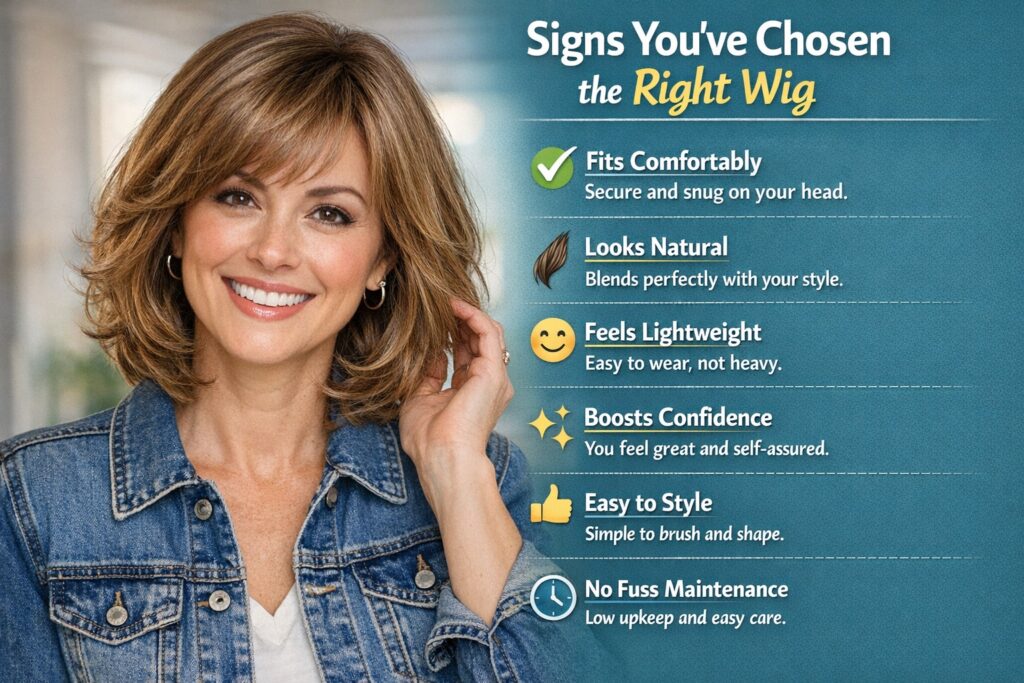
- Comfortable fit
- Natural hairline
- Minimal shine
- Boosts confidence
- Easy to maintain
If you feel confident wearing it out, you chose well.
Frequently Asked Questions
Can I sleep in my synthetic wig?
Not recommended. It shortens lifespan.
Can I swim in it?
Chlorine and salt water may damage fibers.
Can I dye a synthetic wig?
No. Synthetic fibers do not absorb traditional hair dye.
Why Synthetic Wigs Are Ideal for Beginners in 2026
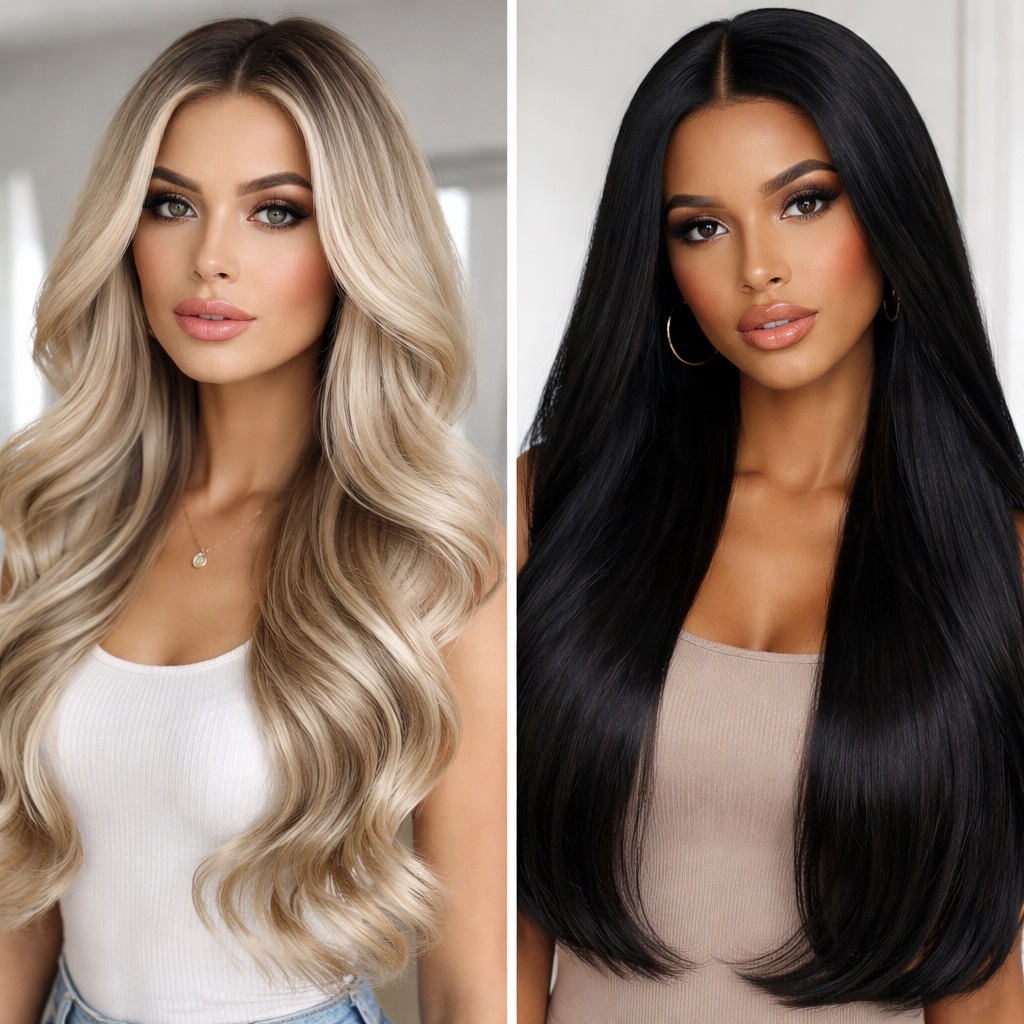
Before learning how to choose one, it’s important to understand why synthetic wigs are usually the best starting point for first-time wearers.
1. Affordable Entry Point
One of the biggest advantages of synthetic wigs is affordability. Human hair wigs can cost hundreds or even thousands of dollars. Synthetic wigs, on the other hand, are available at a wide range of price points that make them accessible to beginners.
If you’re still learning what styles suit you, starting with a synthetic wig reduces financial risk.
2. Pre-Styled Convenience
Synthetic wigs hold their style permanently (unless heat-friendly and restyled). That means:
- Curls stay curled
- Waves stay defined
- Straight styles remain sleek
- No daily styling required
For beginners who aren’t comfortable styling wigs yet, this is a huge benefit.
3. Low Maintenance
Synthetic fibers are designed with style memory, meaning they return to their original form after washing. Unlike human hair, they don’t require blow-drying or daily heat tools.
This makes synthetic wigs especially beginner-friendly.
4. Wide Style Selection
In 2026, synthetic wigs come in:
- Natural everyday styles
- Trendy balayage shades
- Bold fashion colors
- Short pixie cuts
- Shoulder-length bobs
- Long layered waves
- Tight curls and coils
The variety allows beginners to experiment safely without altering their natural hair.
Understanding Synthetic Wig Types
Not all synthetic wigs are the same. Knowing the different categories will help you choose wisely.
Standard Synthetic Wigs
These are traditional synthetic fiber wigs that cannot tolerate heat styling.
Best For:
- Occasional wear
- Budget shoppers
- Beginners who want simplicity
Advantages:
- Affordable
- Pre-styled
- Minimal upkeep
Limitations:
- Cannot use curling irons or flat irons
- Style cannot be changed
For first-time buyers who just want something easy and ready-to-wear, standard synthetic wigs are a strong starting option.
Heat-Friendly Synthetic Wigs
Heat-resistant synthetic wigs are one of the biggest upgrades in recent years.
They can handle low heat (usually up to 250–350°F depending on brand). This allows:
- Light straightening
- Gentle curling
- Adjusting bangs
- Touch-up styling
Ideal For:
Beginners who want some flexibility without paying for human hair.
Important Tip: Always check manufacturer heat limits before styling.
Lace Front Synthetic Wigs
A lace front wig has sheer lace material along the front hairline. The hair is individually tied to the lace to create a realistic scalp effect.
Benefits:
- Natural hairline
- Can style hair away from face
- Blends with skin
For beginners wanting realism without going full lace, lace front synthetic wigs are often the best choice in 2026.
Monofilament Synthetic Wigs
Monofilament wigs allow hair to be parted in a natural-looking way because each strand is hand-tied to a soft mesh cap.
Best For:
- Sensitive scalps
- Medical hair loss
- Realistic scalp appearance
These are slightly more expensive but extremely comfortable.
Full Lace Synthetic Wigs
Full lace wigs allow parting anywhere on the scalp.
Pros:
- Maximum styling freedom
- Most realistic
Cons:
- More expensive
- More complex installation
Most beginners do not need full lace wigs for their first purchase.
How to Measure Your Head for the Perfect Fit
Fit is everything. Even the best synthetic wig will look unnatural if it doesn’t fit properly.
What you will need:
- Soft measuring tape
- Mirror
- Flat hair (braided or wrapped)
Step 1: Circumference
Measure around your hairline from forehead to nape.
Average size: 21.5-22.5 inches
Step 2: Front to Nape
Measure from hairline center down to the nape.
Step 3: Ear to Ear
Measure across the top of your head.
Most beginners fall into the average size category, but measuring ensures comfort.
Choosing the Right Cap Construction
Cap construction determines comfort and realism.
Basic Cap (Wefted)
- Machine sewn
- Breathable
- Budget-friendly
- Great for beginners
Lace Front Cap
- Realistic front hairline
- Good balance between cost and realism
Monofilament Cap
- Natural scalp illusion
- Good for sensitive skin
For most beginners, a lace front or basic cap is sufficient.
Selecting the Best Wig Density
Density refers to how thick the wig appears.
130% Density
- Natural look
- Lightweight
- Ideal for beginners
150% Density
- Slightly fuller
- Glam look
- Still beginner-friendly
180%+ Density
- Very full
- Heavy
- More dramatic
For a first wig, 130-150% density looks the most natural.
Choosing the Right Wig Length
Longer wigs require more maintenance and detangling.
Short (8-12 inches)
- Easiest to manage
- Low tangling
Medium (14-18 inches)
- Most popular
- Balanced look
Long (20+ inches)
- High maintenance
- Tangles more easily
For beginners, 14-18 inches is often the safest choice.
How to Choose the Right Synthetic Wig Color
Color can make or break your overall look.
Match Your Natural Hair Color
Safest and most natural option.
Try Subtle Highlights
Adds depth and realism.
Consider Skin Undertones
- Warm undertone-golden brown, honey blonde
- Cool undertone-ash tones, cool black
- Neutral undertone-flexible options
In 2026, balayage synthetic wigs are extremely popular and look more natural than flat colors.
Shine Factor: Avoid the Too Shiny Look
One common beginner concern is unnatural shine.
How to Reduce Shine:
- Use dry shampoo lightly
- Choose premium fibers
- Look for matte finish options
Higher-quality synthetic wigs in 2026 are designed with reduced artificial shine.
Budget Guide for Beginners
Synthetic wig pricing tiers:
- $30–$80-Budget
- $80–$200-Mid-range (best for beginners)
- $200–$400-Premium synthetic
Mid-range wigs often provide the best balance of quality and affordability.
Where to Buy Synthetic Wigs Safely
To avoid poor-quality purchases:
- Buy from reputable retailers
- Read verified reviews
- Check return policies
- Look for customer photos
Avoid unknown sellers without reviews.
How to Maintain a Synthetic Wig (Beginner Routine)
Proper care extends lifespan.
Washing
- Every 6-8 wears
- Use wig-specific shampoo
- Soak gently
- Air dry only
Detangling
- Use wide-tooth comb
- Start from ends upward
- Use wig-safe spray
Storage
- Store on wig stand
- Avoid direct heat
- Keep dust-free
How Long Do Synthetic Wigs Last?
With proper care:
- Occasional wear: 4-6 months
- Daily wear: 2-3 months
Heat styling reduces lifespan slightly.
Beginner Mistakes to Avoid
- Choosing ultra-long hair first
- Buying too high density
- Ignoring cap size
- Not researching brand
- Using regular hair products
- Sleeping in wig
- Not securing properly
Avoiding these ensures a positive first experience.
Final Thoughts Choosing the Best Synthetic Wig in 2026
Choosing your first synthetic wig doesn’t have to be stressful.
Focus on
- Comfort
- Realism
- Manageable length
- Beginner-friendly density
- Trusted retailer
Modern synthetic wigs in 2026 are more natural, more comfortable, and more beginner-friendly than ever before. Whether you’re exploring wigs for fashion, convenience, hair protection, or medical reasons, starting with the right synthetic wig can transform your confidence and simplify your beauty routine.
Take your time, follow this guide, and choose wisely.
Your perfect beginner wig is out there.