Advertisement
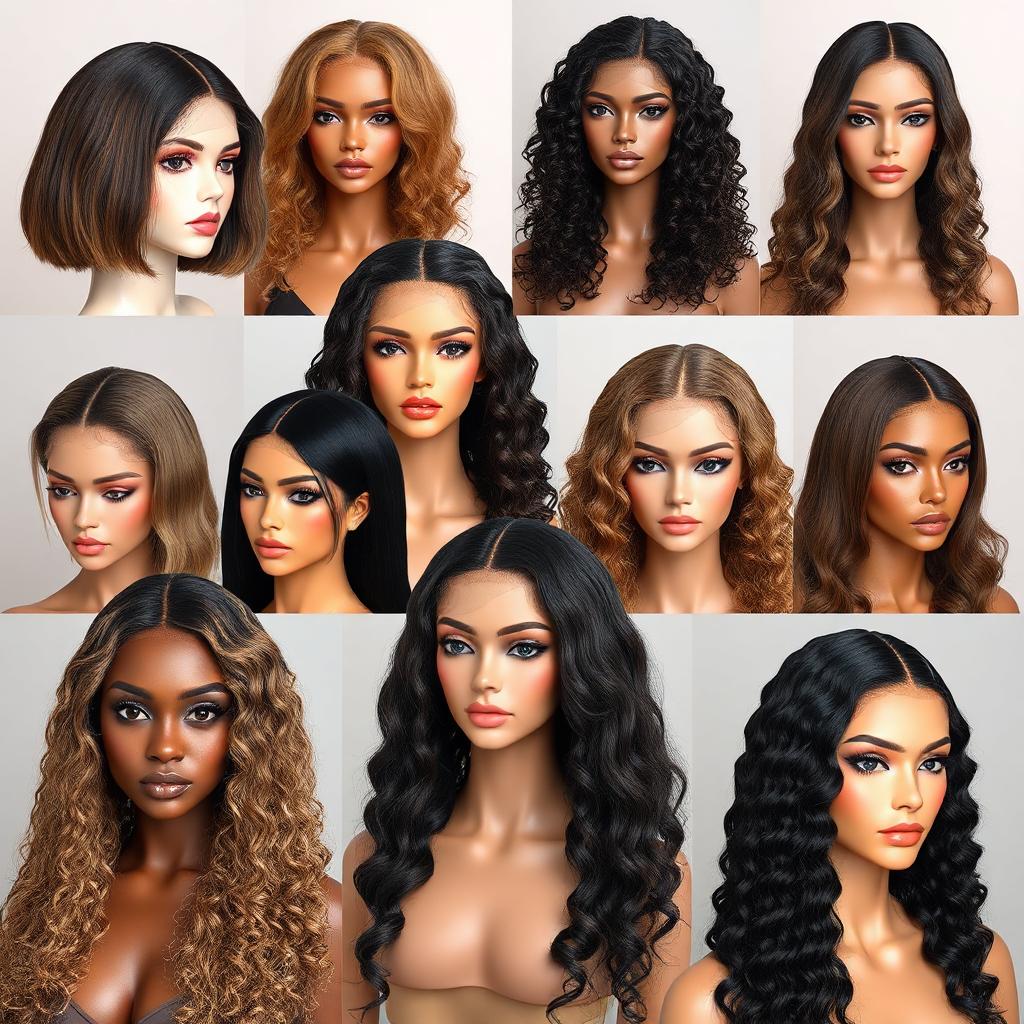
Lace wigs have transformed the beauty and hair industry over the past two decades, becoming one of the most popular and versatile hair solutions worldwide. From everyday wearers seeking convenience to celebrities looking for flawless red-carpet looks, lace wigs are now a mainstream option for achieving natural-looking hair with endless styling possibilities.
This comprehensive guide explores everything you need to know about lace wigs what they are, how they work, the different types available, their benefits, maintenance tips, and how to choose the right lace wig for your needs. Whether you are new to lace wigs or looking to deepen your knowledge, this article provides accurate, up-to-date, and practical information.
What Are Lace Wigs?
A lace wig is a type of wig constructed with a lace base, typically made of fine lace material, onto which individual hair strands are hand-tied. The lace creates the illusion that hair is growing directly from the scalp, resulting in a natural and realistic appearance.
Advertisement
The lace portion can be located at the front of the wig, across the entire scalp, or in specific areas such as the parting space. Because the lace is thin and breathable, it blends seamlessly with the wearer’s skin when properly applied.
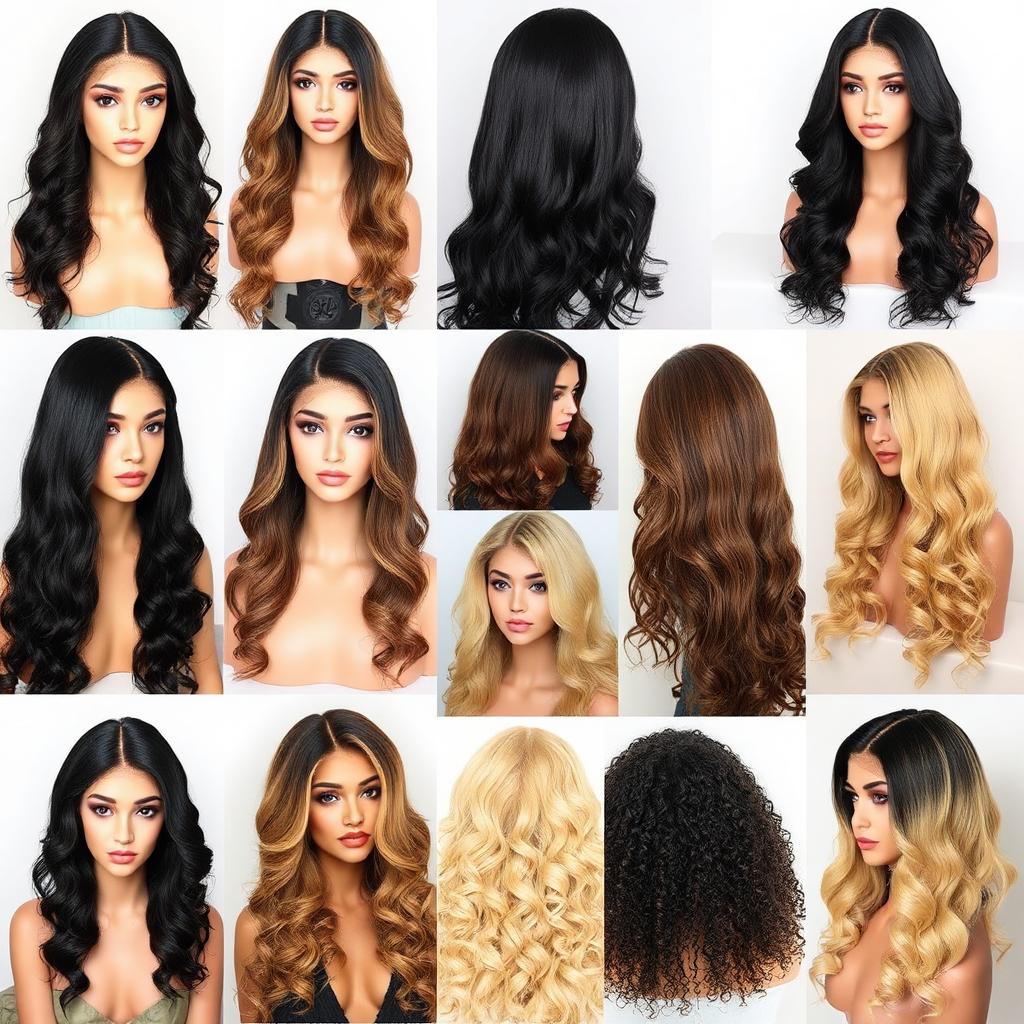
Lace wigs can be made from human hair, synthetic fibers, or a blend of both, and they are available in a wide range of textures, lengths, densities, and colors.
History and Evolution of Lace Wigs
Lace wigs did not become popular overnight. Historically, wigs were worn for social status, fashion, or practicality, dating back to ancient Egypt and Europe. However, early wigs were often heavy, unnatural, and uncomfortable.
The modern lace wig emerged as a solution to these problems. Originally used in film and theater, lace wigs gained mainstream popularity in the early 2000s as celebrities began wearing them publicly. Advances in lace technology, ventilation techniques, and hair processing have since made lace wigs lighter, more realistic, and more accessible than ever before.
Today, lace wigs are widely used for fashion, convenience, protective styling, and medical hair loss solutions.
Advertisement
Types of Lace Wigs
Understanding the different types of lace wigs is essential when choosing the right one. Each type offers unique features and benefits.
1. Lace Front Wigs
Lace front wigs feature lace only at the front hairline, while the rest of the cap is made from a more durable material. This allows for a natural-looking hairline and the ability to style hair away from the face.
Advantages:
- More affordable than full lace wigs
- Natural hairline appearance
- Easy to install and maintain
Limitations:
- Limited parting space
- Less styling versatility than full lace wigs
2. Full Lace Wigs
Full lace wigs are constructed entirely from lace, allowing hair to be parted and styled in any direction.
Advantages:
- Maximum styling flexibility
- Lightweight and breathable
- Ideal for updos and ponytails
Limitations:
- Higher cost
- Requires careful handling due to delicate lace
3. 360 Lace Wigs
360 lace wigs have lace around the entire perimeter of the head, with a breathable cap in the center.
Advantages:
- Natural hairline all around
- Allows high ponytails and buns
- More durable than full lace wigs
4. Closure Lace Wigs
Closure wigs include a lace closure piece (usually 4×4, 5×5, or 6×6 inches) at the top or front.
Advantages:
- Beginner-friendly
- Minimal customization required
- Affordable and low maintenance
5. HD and Transparent Lace Wigs
HD and transparent lace wigs use ultra-thin lace designed to melt into various skin tones without heavy tinting.
Advantages:
- Extremely realistic appearance
- Ideal for high-definition photography and video
Human Hair vs. Synthetic Lace Wigs
Human Hair Lace Wigs
Human hair lace wigs are made from real human hair and offer the most natural look and feel.
Benefits:
- Can be styled with heat tools
- Long-lasting with proper care
- Blends seamlessly with natural hair
Considerations:
- Higher price point
- Requires regular maintenance
Synthetic Lace Wigs
Synthetic lace wigs are made from man-made fibers designed to mimic human hair.
Benefits:
- Budget-friendly
- Pre-styled and low maintenance
- Lightweight
Considerations:
- Limited heat styling
- Shorter lifespan
Benefits of Lace Wigs
Lace wigs offer numerous advantages that make them a top choice for many individuals.
Natural Appearance
The lace base mimics the scalp, creating a realistic hairline and parting.
Styling Versatility
Wearers can experiment with different hairstyles, colors, and textures without damaging natural hair.
Protective Styling
Lace wigs protect natural hair from heat, environmental damage, and excessive manipulation.
Confidence and Convenience
For individuals experiencing hair loss due to medical conditions, stress, or genetics, lace wigs provide a confidence-boosting solution.
How to Choose the Right Lace Wig
Choosing the right lace wig depends on several factors:
Hair Type and Texture
Select textures that match or complement your natural hair, such as straight, wavy, curly, or kinky.
Cap Size
Proper fit ensures comfort and a secure hold.
Lace Color
Choose lace that closely matches your skin tone or can be easily tinted.
Density
Hair density affects how full the wig looks. Common densities range from 130% (natural) to 250% (very full).
How to Install Lace Wigs
Installation methods vary depending on preference and experience level.
Glue or Adhesive Installation
Provides long-lasting wear but requires careful application and removal.
Glueless Installation
Uses adjustable straps, elastic bands, or combs for easy daily wear.
Tape Installation
A balance between hold and ease of removal.
Maintenance and Care Tips
Proper care extends the lifespan of lace wigs and keeps them looking natural.
- Wash human hair wigs every 1–2 weeks
- Use sulfate-free shampoos
- Avoid excessive heat styling
- Store wigs on a mannequin head
- Handle lace gently to prevent tearing
Common Mistakes to Avoid
- Using heavy products that clog lace
- Cutting lace too close to the hairline
- Skipping regular maintenance
- Sleeping in wigs not designed for overnight wear
Lace Wigs and Everyday Wear
Lace wigs are no longer reserved for special occasions. Many people wear them daily for work, school, and social events. With proper installation and care, lace wigs can look natural and feel comfortable throughout the day.
The Future of Lace Wig Technology
Advancements continue to improve lace wig quality, including pre-bleached knots, scalp-illusion caps, and breathable materials. As technology evolves, lace wigs will become even more realistic, durable, and accessible.
Conclusion
Lace wigs are a versatile, stylish, and practical hair solution suitable for a wide range of needs and lifestyles. With options ranging from lace front to full lace designs, human hair to synthetic fibers, and beginner-friendly to professional-grade styles, there is a lace wig for everyone.
By understanding the types, benefits, installation methods, and maintenance requirements, you can make informed decisions and enjoy the confidence that comes with flawless, natural-looking hair.