Introduction
Advertisement
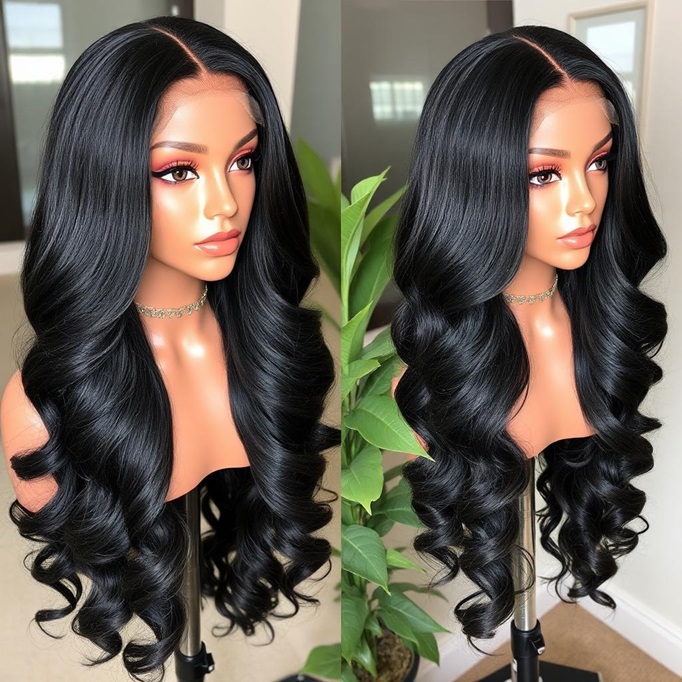
Human hair wigs remain the top choice for anyone wanting the most natural look, versatility, and durability. Unlike synthetic wigs, human hair wigs can be heat styled, colored, and treated like your own hair. This guide covers everything you need to know to choose the best human hair wig for your lifestyle and budget, maintain it for years, and get the most value from your purchase. It’s written to be AdSense-compliant, informative, and practical.
Why Choose a Human Hair Wig?
- Natural appearance: Human hair reflects light and moves the way natural hair does, providing the most realistic look.
- Styling flexibility: You can use heat tools, color, perm, and cut human hair wigs (with caution).
Longevity: With proper care, human hair wigs can last from several months to over a year depending on wear frequency and maintenance.Comfort and fit: High-quality human hair wigs are often paired with advanced cap constructions (lace fronts, full lace) for comfortable, breathable wear and realistic hairlines.
Types of Human Hair Used
- Remy human hair: Cuticle-intact and aligned in the same direction to prevent tangling. Usually higher quality and smoother.
Non-Remy human hair: Cuticles may be stripped or misaligned; often less expensive but may tangle more and require additional care.
Advertisement
- Virgin human hair: Unprocessed hair that has never been chemically treated (dyed, permed, and relaxed). Offers the best longevity and can be colored or chemically altered safely.
Processed/dyed human hair: Treated to achieve specific colors or textures. More affordable but may be more fragile.
Cap Constructions and What They Mean for You
- Lace front: Lace only at the front hairline to create a natural-looking transition; rest of cap may be machine-sewn. Good balance of natural appearance and affordability.
Full lace: Lace cap across the entire crown allowing for versatile parting and updos. Typically more expensive and lightweight.
Monofilament: Fine mesh at the crown where hair is hand-tied; mimics natural hair growth and allows multi-directional parting. Comfortable and realistic.
Silk top: Layered construction where knots are covered with a silk-like material; mimics scalp and creates an ultra-natural part. Often used in premium wigs.
- Machine-made (wefted): Hair sewn onto stretchy caps; durable and usually more affordable but less natural-looking at the hairline.
60 lace: Lace band around the perimeter of the cap allowing for high ponytails while offering secure fit.
Advertisement
Lengths, Density, and Textures Lengths: Short (pixie/bob), medium (shoulder to chest), long (below chest). Consider your face shape, daily routine, and local climate.
Density: Typical wig density ranges from 120% (natural/light) to 200% (very full). Choose based on the look you want and the cap’s breathability.
Textures: Straight, wavy, curly, kinky—select a texture that complements your natural features or desired styling ease. Remy and virgin human hair can often be heat-styled to achieve different textures.
How to Choose the Best Human Hair Wig
1. Purpose and frequency of wear
Daily wear: Choose breathable caps (monofilament or lace front) and mid-range density for comfort.
Special occasions: Full lace or silk top for the most natural look.
Medical use: Invest in lightweight, comfortable caps with adjustable straps and secure attachments.
2. Budget considerations
Entry-level: Processed Remy hair, machine-made caps, price-friendly but less styling longevity.
Mid-range: Remy or partially virgin hair with lace front and monofilament options—good balance of quality and cost.
Premium: Full lace, virgin hair, silk tops—highest realism and durability.
3. Color and matching
Consider your skin tone and natural eyebrow color for the most flattering effect.
If you plan to dye the wig, start with virgin hair in a lighter shade to allow safer coloring.
4. Cap size and fit
Measure head circumference (forehead to nape) and consult sizing charts. Many brands offer small, medium, large, and custom sizing.
Adjustable straps, combs, or wig tape can improve fit for most heads.
5. Return policy and warranties
Always buy from retailers with clear return and exchange policies and warranty coverage for defects.
Top Brands & Popular Human Hair Wig Types (Examples)
Note: Availability and model lines change regularly. Use these brand types as a starting point when shopping.
Jon Renau: Known for diverse cap constructions and a broad color palette; offers both Remy and premium synthetic lines.
Raquel Welch: Fashion-forward cuts and high-quality lace fronts; good mid-range option.
Rene of Paris: Offers a variety of fashionable and wearable human hair options for different budgets.
Ellen Wille: European styling, great for natural-looking cuts and colors; premium construction.
Private-label boutique brands (various salons and indie makers): Often sell virgin hair with custom cap options for higher-end, tailor-made fits.
How to Care for Human Hair Wigs (Extend Lifespan)
Washing
Frequency: Wash every 7–14 days of regular wear, or less frequently if worn occasionally.
Use sulfate-free, gentle shampoo and moisturizing conditioner formulated for color or processed hair.
Detangle gently with a wide-tooth comb or wig brush starting from the ends upward before washing.
Washing steps
1. Detangle.
2. Soak in cool to lukewarm water; use a small amount of shampoo and gently wash without rubbing or twisting.
3. Rinse thoroughly, apply conditioner, leave for a few minutes, and then rinse with cool water.
4. Pat dry with towel-do not wring.
5. Air-dry on a wig stand for best shape preservation. If blow-drying, use low heat and a heat protectant.
Styling and Heat Tools
Use heat protectants before using flat irons, curling irons, or blow dryers.
Use low-to-medium heat settings; avoid repeated high-heat sessions to prevent damage.
For long-term shape retention, consider rollers or heatless styling methods occasionally.
If you plan to color or chemically treat the wig, consult a professional stylist experienced with wigs.
Storage and Maintenance
Store on a wig stand or mannequin head away from direct sunlight to preserve color and shape.
Keep wigs in breathable bags for travel or long-term storage; avoid plastic bags that trap moisture.
Periodically take wigs to professional wig technicians for cleaning, reshaping, or repairs (re-lacing, rewefting).
Everyday Handling Tips
Avoid sleeping in human hair wigs regularly; this reduces tangling and friction damage.
Rinse salt water or chlorine immediately after exposure and use clarifying treatments as needed.
Use lightweight serums or leave-in conditioners sparingly to avoid buildup at the roots or lace areas.
Budgeting: What to Expect to Pay
Entry-level Remy: $100–$300 (machine-made caps, processed hair)
Mid-range lace fronts/monofilament: $300–$800
Premium full lace/virgin hair: $800–$3000+ (cost depends on length, density, and origin)
Note: Custom-made wigs, bespoke coloring, or luxury brands can exceed these ranges.
Where Human Hair Comes From — Ethics and Quality
Hair origin can affect quality, texture, and price: Indian, Chinese, Brazilian, European/Slavic hair are common sources.
Virgin European/Slavic hair is often fine and silkier; Brazilian and Indian hair can offer thicker textures that blend well with many hair types.
Ethical sourcing matters: look for transparent sellers who disclose sourcing, testing, and fair-pay practices.
Common Mistakes to Avoid
Choosing the wrong cap size: poor fit causes discomfort and unnatural look.
Overusing heat without protection shortens the life of the wig. Neglecting proper washing and storage: leads to tangling and accelerated wear.
Buying solely on price: low cost can mean poor cap construction and processed hair that won’t behave naturally.
Styling Ideas and How to Achieve Them
Natural daily look: Medium density lace front, shoulder length, soft layers; blow-dry with a round brush for movement.
Sleek straight: Use a flat iron with heat protectant on medium heat; finish with a smoothing serum.
Beach waves: Use a large-barrel curling iron or heatless rope braids overnight, then shake out and set with light hairspray.
High ponytail: Requires 360 lace or full lace with secure perimeter and possibly wig combs or grips for extra hold.
Installation Options
Clips/combs: Easy on/off for semi-permanent use; useful for beginners.
Wig tape: Strong hold, well for active days but requires clean scalp and adhesive-safe removal.
Glue/adhesive: Offers longest hold for lace front/full lace but requires skill and scalp-safe products.
Elastic/silk bands and wig grips: Provide comfort and keep wig in place without adhesives.
Customizations and Alterations
Cutting: Have a professional stylist experienced with wigs cut the wig to flatter your faColoring: Only color virgin or high-quality Remy hair; consider consulting a colorist for shade matching and even application.
Ventilation/plugging hairline: For ultra-realistic hairlines, technicians can pluck hairlines or ventilate lace more finely.
Frequently Asked Questions (FAQ)
How long will a human hair wig last?
With weekly wear and proper care, expect 6–12 months on mid-range wigs and 1–3+ years for high-quality virgin wigs with occasional wear.
Can I swim in a human hair wig?
Swimming is not recommended routinely. Chlorine and salt can damage hair and lace. If swimming, wet the wig with fresh water first, use a clarifying rinse afterward, and avoid prolonged exposure.
Can I sleep with a human hair wig on?
Occasional sleeping is okay, but consistent sleep wearing increases tangling and shortens lifespan. Use a silk or satin pillowcase or night cap if you must.
How do I prevent shedding?
Gently detangle, avoid over-manipulation at the roots, avoid harsh chemical treatments, and purchase from reputable sellers with secure wefting or hand-tied construction.
Is a human hair wig heavier than synthetic?
Yes, human hair wigs are typically heavier due to the weight of real hair and denser constructions; choose breathable caps and the right density for comfort.
Shopping Checklist (Quick)
Decide budget and intended frequency of wear.
Choose cap construction (lace front, full lace, and monofilament) based on realism needs.
Select hair type (Remy, virgin) and texture.
Measure for correct cap size and check return policy. How to Choose the Best Human Hair Wig — Detailed Steps
- Define your purpose
- Every day wear: prioritize comfort, breathable caps (monofilament or lace front), and moderate density.
- Special events: prioritize realism—full lace or silk top and perhaps custom coloring to match skin undertones.
- Medical or long-term loss: choose lightweight caps with secure attachment methods, breathable construction, and possibly customization for scalp sensitivity.
- Set a realistic budget
- Expect to pay more for virgin hair, hand-tied caps, and custom sizing. Balance your desire for realism with how often the wig will be worn.
- Remember additional costs: professional coloring, cutting, cap repairs, and wig stands for storage.
- Select cap size and fit
- Measure head circumference (forehead to nape, ear to ear over the crown) and consult the brand’s size chart. Many offer small/medium/large; custom sizing ensures best comfort.
- Look for adjustable straps, combs, and silicone grips; these features help with daily security and reduce reliance on adhesives.
- Color selection and matching
- Match wig color to your skin’s undertone and eyebrow color for a flattering, natural effect.
- If you plan to dye the wig frequently, start with lighter virgin hair to allow safer color lifts and changes.
- Examine construction and return policy
- Read product depictions carefully-are knots bleached, is the lace pre-plucked, is the part multi-directional?
- Buy from retailers with clear return windows and warranties for defective construction. Avoid sellers with vague policies.
Top Brands and Styles to Consider
- High-end boutique vendors and custom wig makers: Offer bespoke cap construction, custom coloration, and premium virgin hair for clients who prioritize realism and longevity.
- Established wig houses (examples in the market): Provide ready-to-wear lines across price points with known quality control. Research current lines and user reviews before buying.
- Independent artisans and small brands: Often create handcrafted, ethically sourced pieces with transparent supply chains—ideal if ethical sourcing is a priority. Note: Brand availability and model names change; rely on recent reviews and verified buyer photos.
Caring for Human Hair Wigs — Step-by-Step Routine Daily care
- Gently brush with a wide-tooth comb or wig brush designed for human hair starting from the ends.
- Avoid heavy products at the roots and lace area which can cause buildup and make lace visible.
- If sweating or wearing daily, wipe scalp area and allow wig to air out on a stand between wears.
Washing
- Frequency: Typical for daily wear is every 7–14 days; infrequent wear can be washed less often.
- Products: Use sulfate-free, gentle shampoos and moisturizing conditioners formulated for colored/processed hair. Clarifying shampoo only occasionally.
- Technique:
- Detangle before washing.
- Fill basin with cool to lukewarm water; avoid hot water.
- Gently swish shampoo; do not rub or agitate harshly.
- Rinse thoroughly; apply conditioner focusing on mid-lengths to ends.
- Rinse with cool water to seal cuticles.
- Pat dry; avoid wringing. Place on a wig stand to air-dry.
Heat styling and protection
- Always use a heat protectant spray and keep temperature moderate (preferably below 350°F / 177°C depending on tool).
- Limit daily high-heat styling to prolong wig life.
- For repeated textures (beach waves), consider heatless techniques to minimize damage.
Professional services
- Have a professional stylist cut and blend the wig for best face-framing results.
- For coloring, consult a colorist experienced with human hair wigs to avoid over-processing and uneven results.
- For repairsre-wefting, re-lacing, or knot sealing-use a certified wig technician.
Storage and long-term upkeep
- Store on a wig stand or mannequin head to maintain shape and keep lace taut.
- For travel, use a breathable wig bag or box with tissue to keep form.
- Avoid prolonged sun exposure and humid environments to preserve color and reduce odor.
Attachment Methods: Pros and Cons
- Clips/combs: Quick and non-invasive; best for short-term wear. May pull on natural hair if worn frequently.
- Wig tape: Secure and comfortable; requires careful removal and scalp prep.
- Glue/adhesive: Longest hold and best for lace-front realism, but can irritate sensitive scalps and requires skill to remove and reapply safely.
- Wig grips/headbands: Comfortable and adhesive-free; may be bulky under some styles.
Ethical Sourcing and Transparency
- Ask sellers about sourcing policies: Are donors compensated? Are hair suppliers audited? Is the hair single-donor or blended?
- Look for vendors who provide traceability or third-party certifications related to ethical sourcing.
- Beware of vague claims; reputable sellers will clarify processing steps and origin regions without evasiveness.
Common Problems and Solutions
- Tangling: Often due to high density, rough handling, or poor-quality cap. Detangle gently, use leave-in conditioners designed for wigs, and consider a lower density or higher-quality Remy/virgin hair for future purchases.
- Shedding: Some light shedding is normal. Excessive shedding suggests poor wefting or over-processing return or seek repairs if under warranty.
- Visible knots: Bleached knots or silk/special tops reduce visibility; plucking and professional ventilation can improve hairline realism.
- Discolored lace: Use lace tints and makeup sparingly; avoid buildup that attracts dirt. Replace lace or re-bleach knots if necessary.
Styling Inspiration and How to Achieve It
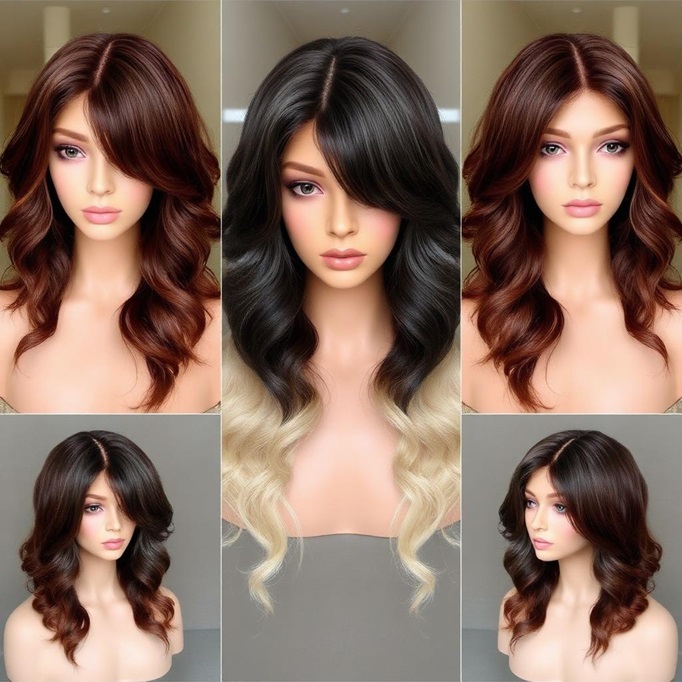
- Everyday natural: Soft layers, shoulder length, light density (120–150%). Blow-dry with a round brush for volume at the roots.
- Sleek, straight: Use a mid-heat flat iron and smoothing serum; avoid repeated high-heat sessions.
- Soft beach waves: Use a large-barrel iron or heatless rope braids left overnight. Finish with texturizing spray.
- Voluminous curls: Big rollers or large-barrel curling wands create long-lasting curls—set with low-hold spray to reduce crunchiness.
- High ponytail/updo: Requires 360 lace or full lace capabilities; add grips or sew-in elastic band for extra security.
Budgeting Considerations and Expected Lifespan
- Entry-level (processed Remy, machine-made caps): $100–$300. Expect 3–8 months with regular wear.
- Mid-range (Remy with lace front or monofilament): $300–$800. Expect 6–18 months with proper care.
- Premium (virgin hair, full lace, silk top): $800–$3000+. With occasional wear and excellent care, 2–5+ years is possible.
- Custom-made or bespoke wigs often cost more but deliver superior fit and personalization-worth considering for medical needs or frequent wear.
Shopping Checklist – Final Quick Guide
- Purpose: daily, occasional, medical.
- Budget: set upper and lower limits including care/alteration costs.
- Cap choice: lace front, full lace, monofilament, or machine-made.
- Hair type: Remy vs. virgin; origin and texture.
- Size and fit: measure and check brand sizing charts.
- Seller trustworthiness: return policy, warranties, clear photos and reviews.
- Ethical considerations: sourcing transparency, fair pay.
Frequently Asked Questions (FAQ)
- How long does a human hair wig last? Lifespan ranges widely: mid-range wigs usually last 6–12 months with regular wear; premium virgin wigs can last 1–3+ years with occasional wear and careful upkeep.
- Can human hair wigs be dyed or bleached? Yes—virgin hair accepts dye more safely. Processed or heavily colored hair is more fragile; consult a professional colorist to avoid damage.
- Is it safe to sleep with a human hair wig? Occasional is okay, but frequent sleeping causes friction and tangling. Use silk/satin coverings if you must sleep in it.
- How do I prevent hairline visibility? Choose pre-plucked lace, a bleached-knot option, or have a technician pluck/ventilate the hairline. Proper adhesive application and blending with makeup can also help.
- Can I swim with a human hair wig? It’s not recommended regularly. Rinse after exposure, treat with clarifying products, and use protective methods like swim caps when possible.
Read reviews for shedding, cap comfort, and seller support.
Conclusion
A high-quality human hair wig is an investment in natural appearance, flexibility, and confidence. Whether you want a daily-wear solution, a glamorous option for special events, or a medical-grade wig, understanding cap constructions, hair types, and care routines will help you choose the right piece and extend its life. Prioritize fit and cap comfort, buy from reputable sellers, and commit to routine maintenance to keep your wig looking its best for months or years.